
Your Teen Is Shutting Down in School and at Home, and It May Not Be What You Think It Is
When a teenager stops talking at dinner, starts skipping homework, and barely leaves their room, most parents land on the same explanation: attitude, laziness, or a phase they'll grow out of. What we see constantly at Lumina is something different. Quiet shutdown, falling grades, and social withdrawal are among the most common signs of teen anxiety, and they're the ones that get missed the longest because they look nothing like what most people picture when they hear the word "anxious."
This article is for the parent who knows something is off but keeps getting told their teen just needs more motivation, a better routine, or a harder consequence. You're probably not wrong that something has changed. You may just be working with the wrong explanation.
When Quiet Looks Like Lazy
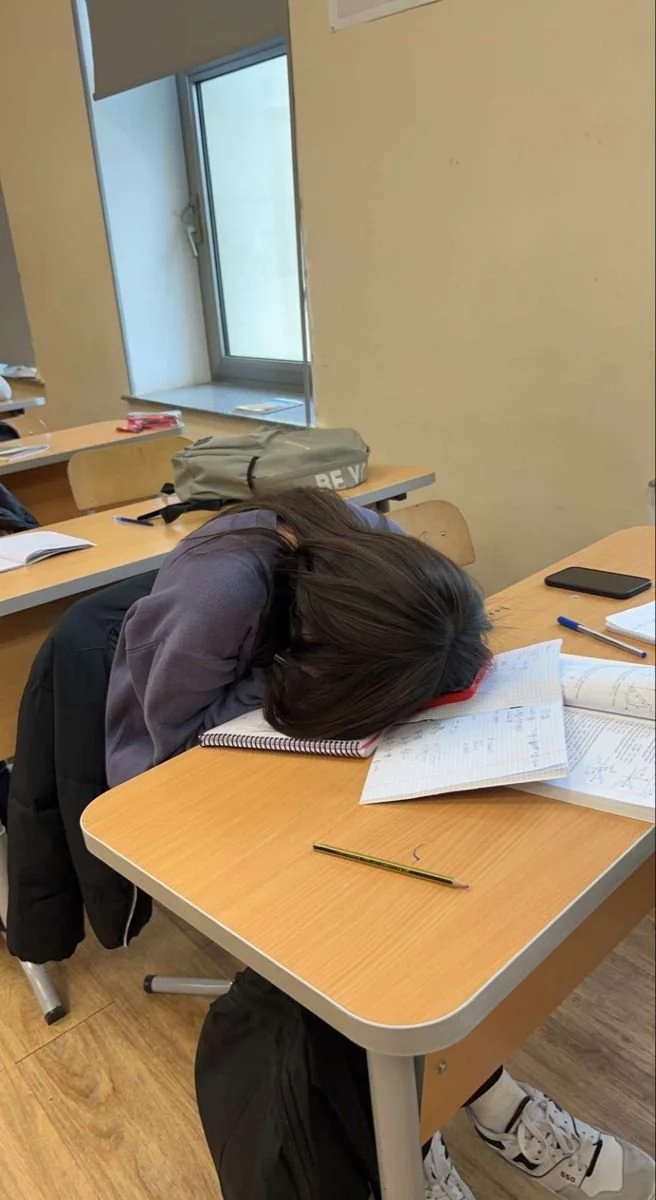
For a lot of teens, especially those who have been managing it alone for a while, anxiety shows up as a kind of slow collapse. They stop raising their hand in class. They stop texting their friends back. They come home, close the door, and stay there.
From the outside, that looks like disengagement. From the inside, it often feels like the safest possible option.
Here's what's actually happening in many of these cases: the teen's nervous system has learned to treat ordinary demands (a test, a group project, a hallway full of people) as threats. The brain responds the way it's designed to respond to threats: by shutting down non-essential activity and conserving resources. For some teens, that looks like freeze. For others, it looks like avoidance. And for a lot of the teens we work with in Miami, it looks indistinguishable from not caring.
The parents who come to us have usually spent months trying to motivate, encourage, and talk their teen through it. They're exhausted. And their teen, who was already struggling to manage overwhelming internal pressure, has started to feel like a disappointment on top of everything else.
That combination, anxiety plus shame, is one of the more difficult things to untangle in therapy. It's worth catching before it compounds.
What Shutdown Actually Signals
A few specific patterns keep showing up in our sessions that are worth naming clearly.
Refusing tasks that used to be easy. A teen who used to get decent grades and now won't open their laptop isn't necessarily giving up. They may be caught in a cycle where the fear of doing it wrong feels worse than the consequence of not doing it at all. Anxiety makes perfectionism and avoidance run together in ways that look, from the outside, like pure laziness.
Going flat in conversations. Teens who are struggling with anxiety often go monosyllabic at home, not because they're angry, but because every conversation feels like a potential confrontation or a demand they can't meet. One-word answers and shoulder shrugs are a way of staying below the radar. Many parents read this as disrespect. In clinical terms, it's often closer to emotional exhaustion.
Somatic complaints that don't have a medical explanation. Headaches every Sunday night. Stomachaches on the mornings of presentations. Fatigue that no amount of sleep seems to fix. Anxiety lives in the body, and teens who can't name what they're feeling will often feel it instead: tight chest, nausea, a persistent sense that something bad is about to happen. If your teen has been to the pediatrician more than once this year for physical complaints that don't add up medically, that pattern is worth paying attention to.
Pulling away from friends. Social withdrawal is one of the clearest signals that something has shifted beyond normal teenage moodiness. Teens are wired to prioritize peer connection. When a teen starts declining invitations, ghosting group chats, or spending weekends alone, the social cost of showing up has, for some reason, outweighed the reward. Anxiety is one of the most common reasons for that calculation to flip.
Performance that's dropped without an obvious cause. A teen who was getting Bs and is now getting Ds, without a clear event (a move, a loss, a breakup) to explain the change, may be dealing with something internal that has made the ordinary cognitive demands of school feel impossible to meet. Anxiety consumes working memory and concentration in ways that genuinely impair academic performance, independent of effort or intelligence.
If several of these patterns fit what you're watching at home, it's worth having a real conversation about anxiety rather than continuing to push on motivation and accountability.
You might find it useful to read what anxiety really looks like in teenagers before that conversation as a way of grounding what you've been observing in clinical terms.
Why Parents Miss It (And Why That's Understandable)

The popular image of an anxious teenager is someone who is visibly worried, maybe crying before school, maybe asking constantly for reassurance. That version of anxiety exists, but it's the one that tends to get caught.
The teens who shut down quietly are often the ones who have been holding it together for a long time. They've already learned that expressing distress doesn't always make things better. Some of them have been told to toughen up, or have watched their anxiety get dismissed as overdramatic. By the time they're shutting down, the strategy of staying quiet and getting through it has been in place for months or years.
There's also a developmental piece that makes this harder to read. Teenagers are supposed to become more private. They're supposed to pull away from their parents somewhat and build their own interior world. That's healthy. The difficulty is that healthy separation and anxious withdrawal can look almost identical from the outside, especially in the early stages.
A few things that separate normal teen moodiness from something worth addressing:
Duration. Normal mood shifts last days, not months.
Breadth. Anxiety-driven withdrawal tends to affect multiple areas at once: school, friendships, home, and activities they used to enjoy.
Trajectory. Normal teenage ups and downs don't follow a steady downward line. If things have been getting progressively worse over a school semester, that's a different pattern.
If you're not sure whether what you're seeing is typical adolescence or something more, this guide for Miami parents walks through the distinction in more detail.
What You Can Do Right Now
Most parents in this situation have already tried talking to their teen, and it hasn't worked. That's usually because the conversation has been framed as problem-solving: "What do you need? What's going on? How can we fix this?" Those are the right instincts, but they're the wrong frame for a teen who is already overwhelmed and possibly ashamed.
A few things that tend to work better:
Lower the conversational stakes. Teens are more likely to talk when they're not sitting across from you at a table, being looked at directly. Car rides, walks, doing something side by side, these are the conditions where real conversations tend to start. The parallel activity gives them somewhere to put their eyes, which makes the emotional exposure feel smaller.
Name what you see without attaching a judgment to it. "I've noticed you seem tired lately" lands differently than "You've been checked out lately." The first one opens a door. The second one puts them on the defensive before they've said a word.
Separate the behavior from the character. Teens who are shutting down often already believe they are failing in some fundamental way. Consequences and pressure, even well-intentioned pressure, tend to confirm that belief. It's possible to hold expectations and also signal that you see them as more than their current performance.
For help with the actual words to use, these conversation scripts were written specifically for parents who want to open a door without pushing their teen further away.
What It Looks Like When a Teen Gets Real Support
We work with a lot of teens at Lumina who came to us after months of being labeled difficult, unmotivated, or defiant. What we find, consistently, is that the behavior that looked like attitude was anxiety that had run out of road.
In therapy, and particularly in evidence-based work using DBT, these teens learn to name what's happening internally before it reaches the point of shutdown. They build specific skills: how to tolerate a wave of overwhelm without disappearing from their own life, how to re-engage with something scary in small, manageable steps, and how to communicate what they need to the people around them.
That process takes time. It's not a quick fix. But the teens who go through it start showing up differently at school, at home, and with their friends. Life begins to feel more manageable again.
If you're wondering whether your teen is dealing with anxiety or something else entirely, understanding the difference between anxiety and emotional dysregulation can help you get clearer before your first call.
At Lumina Counseling and Wellness, our mission is simple: to help tweens, teens, young adults, and families find calm, confidence, and connection. If your teen has been shutting down and you're not sure where to start, we offer a free 20-minute call with our care coordinator. You don't have to have it figured out before you reach out. That's what the call is for.