
Is My Teenager Struggling With Anxiety? 7 Signs It May Be Time to Talk to a Teen Therapist in Miami
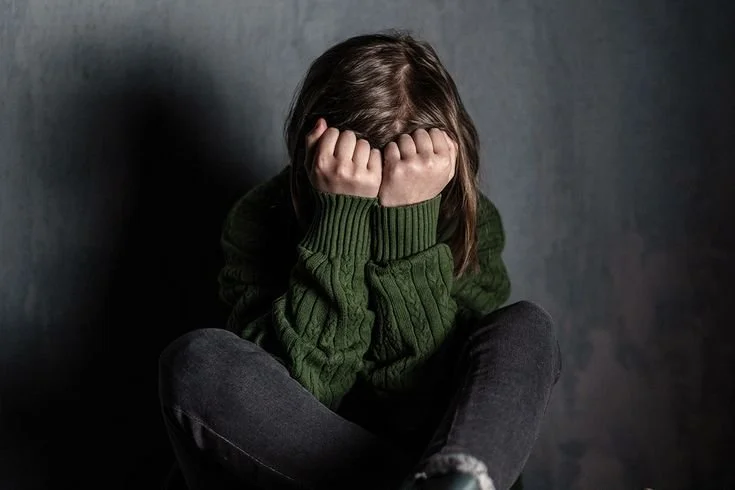
Something feels off with your teenager, but you can't quite name it. They're snapping at you more than usual, spending more time alone, or suddenly dreading things they used to love. You keep asking yourself: is this just normal teen stuff, or is something else going on?
It's one of the hardest parts of parenting a teenager. Anxiety in teens rarely looks like what most people picture. It doesn't always show up as visible worry or panic. Sometimes it looks like anger. Sometimes it looks like avoidance. Sometimes it looks like a kid who seems perfectly fine at school but falls apart the moment they walk through the door at home.
If you've been wondering whether your teenager is struggling with anxiety, this article is for you. Below are seven signs we see regularly at Lumina Counseling and Wellness, drawn from real clinical work with tweens, teens, and young adults in Miami. These signs don't mean something is permanently wrong with your child. They mean your child may need support, and that support exists.
What Anxiety Actually Looks Like in Teenagers

Before we get into the specific signs, it helps to understand what teen anxiety really is. Anxiety is the nervous system's alarm response, designed to protect us from danger. When it's working correctly, that alarm goes off in genuinely threatening situations. When anxiety is disordered, the alarm goes off constantly, even when there's no real threat. A history test, a social media comment, a change in plans, a crowded hallway: all of it can feel like a five-alarm emergency.
For teenagers, this is especially complicated. The adolescent brain is still developing, particularly the prefrontal cortex, which handles rational thinking and emotional regulation. That means teens have a harder time talking themselves down from anxious spirals than adults do. It's not a character flaw. It's neuroscience.
Understanding the difference between emotional dysregulation and anxiety in teens can also help you figure out what you're actually seeing at home. Sometimes they overlap. Sometimes what looks like anxiety is primarily a regulation problem. Sometimes it's both. A good clinician can help you sort that out.
7 Signs of Teen Anxiety to Watch For
1. They're Avoiding Things They Used to Enjoy
Avoidance is one of the clearest clinical markers of anxiety. When the nervous system decides something is threatening, it pushes toward escape. For teens, that might mean dropping out of a sport they loved, making excuses to skip social events, or suddenly refusing to go to school on certain days.
The tricky part is that avoidance feels like relief in the short term. Your teen skips the party and feels better immediately. But over time, avoidance teaches the brain that the feared situation really was dangerous, which makes the anxiety stronger, not weaker. If your teenager is narrowing their world, that's worth paying attention to.
2. Physical Complaints Without a Clear Medical Cause
Anxiety lives in the body. Stomachaches, headaches, nausea, and muscle tension are not dramatic exaggerations. They are legitimate physical symptoms of a nervous system that is chronically activated. Many parents spend months ruling out GI issues or migraines before anxiety is even considered.
If your teen frequently complains of stomach pain before school, has headaches that show up around tests or social situations, or regularly feels sick in contexts that seem emotionally loaded, anxiety may be the underlying driver.
3. Sleep Is a Constant Struggle
Anxious minds don't switch off at bedtime. Rumination, the looping of worst-case scenarios and unresolved worries, tends to be loudest at night when there are no distractions. If your teenager is having trouble falling asleep, waking up in the middle of the night, or sleeping excessively as a way to escape anxious thoughts, these are all patterns we see regularly in teens dealing with anxiety.
Poor sleep and anxiety have a circular relationship: anxiety disrupts sleep, and sleep deprivation makes anxiety worse. If you want to understand more about that cycle, the connection between sleep and anxiety is something we address often in our work with teens.
4. Irritability and Anger That Seems Out of Proportion
This one surprises a lot of parents. They expect anxiety to look like a child who is timid or tearful. But in teenagers, anxiety frequently presents as irritability, frustration, and explosive anger. A small request becomes a major confrontation. A minor disappointment triggers a meltdown that lasts an hour.
What's happening underneath is often a nervous system that is already maxed out. The teen is running on high alert all day, holding it together at school, and then comes home and has nothing left. Any additional demand feels intolerable.
If you've noticed that every conversation turns into an argument, it may not be about defiance. It may be about an overwhelmed nervous system that hasn't learned how to regulate yet.
5. Excessive Worry About Things That Feel Out of Proportion
All teenagers worry. That's developmentally normal. But anxiety takes worry to a different level. We're talking about a teenager who catastrophizes regularly, assumes the worst in ambiguous situations, and has difficulty letting go of concerns even when they've been reassured.
Common themes in teen anxiety include fear of failure or embarrassment, worry about friendships or social rejection, health anxiety about themselves or a parent, and fear of something bad happening to the family. Some teens can articulate the worry clearly. Others just feel a constant, formless sense of dread they can't explain.
If your teenager's worry is frequent, intense, and interfering with their daily functioning, that's a meaningful clinical signal.
6. Perfectionism and Fear of Making Mistakes
Perfectionism and anxiety are closely linked. Many high-achieving teens in Miami are running on anxious fuel. They study for hours beyond what's necessary, rewrite assignments repeatedly, or completely shut down when they feel they can't do something perfectly. Some will avoid starting a task entirely rather than risk doing it imperfectly.
This pattern often flies under the radar because the outcomes look like success. Good grades. Impressive resume. Compliments from teachers. But underneath, the teenager is miserable, terrified of failure, and exhausted from the pressure they're putting on themselves. That's not a sustainable way to live.
7. Withdrawal and Shutting Down
Some anxious teens don't explode outward. They go inward. They stop talking about their day. They retreat to their room. They become monosyllabic and disengaged. This withdrawal is sometimes mistaken for typical teenage moodiness, but there's a difference between a teen who wants some independence and a teen who has genuinely disconnected.
If your teenager seems like they've disappeared from the family even while still living in your house, or if they can no longer seem to access positive emotion, that's a sign worth exploring. Understanding what happens when your teen shuts down can help you figure out how to respond in a way that keeps the door open rather than pushing them further away.
When Do These Signs Cross the Line Into Needing Professional Support?
Seeing one or two of these signs occasionally doesn't automatically mean your teen needs therapy. But there are clear thresholds that suggest professional support is warranted.
Consider reaching out to a teen therapist when:
The symptoms have been present for more than a few weeks and aren't improving
Your teenager's functioning is being affected (school performance, friendships, family relationships)
They're avoiding important life experiences because of fear or worry
You're noticing any self-harm, substance use, or talk of hopelessness alongside the anxiety
You've tried talking with them, and the conversations aren't helping, or they're refusing to talk at all
You don't have to wait for a crisis to ask for help. The earlier anxiety is addressed, the faster teens learn the skills to manage it. Evidence-based treatments like Cognitive Behavioral Therapy (CBT) and Dialectical Behavior Therapy (DBT) have strong research behind them for teen anxiety, and they work. CBT helps teens recognize and challenge the thinking patterns that feed anxious spirals. DBT adds concrete skills for tolerating distress, managing intense emotions, and building healthier relationships.
What Lumina Counseling and Wellness Does Differently
At Lumina, our work with anxious teens is grounded in real clinical training and real outcomes. Our team is DBT-Linehan Board Certified. We are one of only 14 DBT-certified programs in Florida, and our clinicians have more than 20 years of combined experience working with adolescents and families navigating exactly what you're describing.
We don't just hand teens a list of coping skills and send them on their way. We work with the whole picture: the teen, the parents, and the family system. Anxiety doesn't live in isolation, and neither does recovery.
Our mission is simple: to help tweens, teens, young adults, and families find calm, confidence, and connection. We see parents walking in worried and exhausted, not sure if what their child is going through is "bad enough" to warrant help. Our answer is almost always the same: if it's affecting your child's life, it's enough. You don't have to justify asking for support.
You Know Your Child
At the end of the day, you know your teenager. Not perfectly, because no one does, but you know when something feels different. You know the before and after. If you're reading an article like this at 10 p.m. because you're trying to figure out what's happening with your kid, that instinct is worth trusting.
Anxiety is treatable. Teens who get the right support learn to move through their fear rather than around it. They build real skills. They go back to doing things they love. Life starts to feel more manageable, meaningful, and peaceful again.
If you're ready to take the next step, we invite you to schedule a free 20-minute call with our care coordinator. You don't have to have all the answers yet. That's what the call is for.