
A bad week has a cause and an end date. A teen who bombed a test, fought with a friend, or didn’t sleep before a big game will usually start to recover within a few days once the trigger passes. Real anxiety is different: it hangs on after the trigger is gone, shows up in more than one area of life, and starts changing what your teen is willing to do. If you’ve watched your teen struggle for more than two or three weeks, or the struggle keeps finding new targets, you’re likely seeing signs of teen anxiety rather than ordinary stress.
That’s the short answer. The rest of this post is about how to read what you’re actually seeing at home, because teens rarely say “I’m anxious.” They say “I’m fine,” or “my stomach hurts,” or nothing at all.
Start With How Long It Lasts
Duration is the most useful marker we have. A rough week at school followed by a quiet, tired weekend and a return to normal is a teen processing a hard stretch. A teen who has been irritable, withdrawn, or sleeping badly since the start of the semester is carrying something that isn’t resolving on its own.
When parents call us, a common version of the story goes like this: “It started around the time school began. I thought it would settle down, and now it’s October.” Nothing dramatic happened, which is part of why it was easy to wait. Anxiety often builds in this slow, ordinary way, and by the time it’s obvious, it’s been running for months.
A practical test: think back to the last time your teen seemed like themselves. If you have to reach back more than a month, take that seriously.
What Anxiety Looks Like From the Outside
Anxious teens often don’t look worried. They look tired, short-tempered, or unmotivated. Here are the patterns we see most in session.
Physical complaints with no medical explanation. Stomachaches on school mornings, headaches before tests, a racing heart, trouble catching a full breath. Your pediatrician may find nothing wrong because the body is responding to alarm. If the complaints cluster around specific situations (Sunday nights, presentation days, group events), that clustering is the clue.
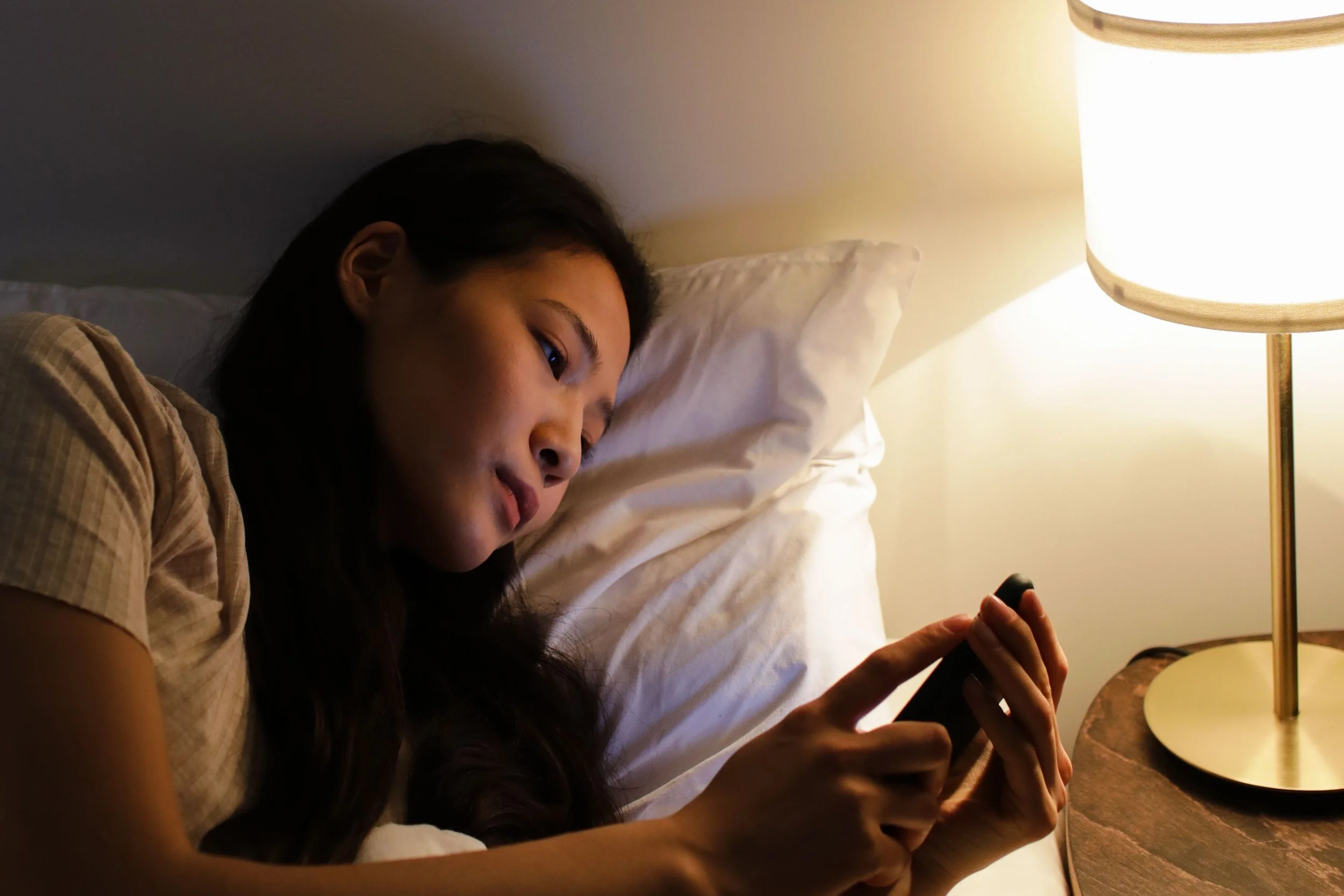
Sleep that has changed. Lying awake replaying conversations, needing a phone or TV to fall asleep, waking at 3 a.m. with a mind that’s already running. Teens need roughly 8 to 10 hours, and chronic anxiety eats into it from both ends.
Irritability that seems out of proportion. A teen who snaps over a dishwasher or a question about homework is often at the end of their capacity. Anxiety uses up the same mental energy teens need to stay patient. If you’ve been wondering whether the anger you see is really fear underneath, our post on when teen anger is really anxiety walks through how to tell.
Avoidance that keeps growing. This is one of the markers that matters most. Skipping one party is normal. Gradually dropping the sport they loved, declining invitations, eating lunch alone, or asking to stay home more often is anxiety reorganizing your teen’s life around what feels safe. Each avoided situation brings short-term relief and makes the next one harder.
Perfectionism and constant reassurance-seeking. Redoing assignments that were already good, asking “Are you sure it’s okay?” repeatedly, melting down over a B+. This looks like ambition from the outside, which is why high-achieving teens get missed.
Bad Week or Real Anxiety: Four Questions to Ask
You don’t need a clinical checklist. These four questions, answered honestly, tell you most of what you need.
Has it been going on for more than two or three weeks? Short spikes tied to a clear event are normal. Persistence is not.
Is it showing up in more than one place? If the struggle is only at school, or only with one friend group, it may be situational. If it follows your teen into home, social life, and sleep, it’s more likely anxiety.
Is your teen doing less than they used to? Look at activities, friendships, and effort. Shrinking is a stronger signal than worrying.
Do reassurance and a good night’s sleep fix it? Stress usually responds to rest, a conversation, or a resolved problem. Anxiety tends to return no matter how much you reassure them.
Two or more “yes” answers are a good reason to talk to someone, even if your teen seems functional on the surface. Many anxious teens keep their grades up while falling apart at home. If you’re also hearing “I’m fine” every time you ask, what’s behind that phrase is worth understanding.
When It’s Anxiety and Something Else Looks Similar
Anxiety overlaps with other things, and the overlap is where parents (and sometimes professionals) get stuck. A teen who can’t focus may have ADHD, or may be too anxious to concentrate. A teen who explodes may be anxious, or may struggle with emotional regulation more broadly. We cover these distinctions in ADHD, anxiety, or just teen stress and in emotional dysregulation vs. anxiety in teens.
Untangling it is part of the assessment process, and it’s easier done with a clinician who sees teens every day than by guessing at home.
What You Can Do This Week
Before any appointment, you can gather the most useful information simply by paying attention.
Note the pattern, not just the moment. Jot down when the hard days happen. Sunday nights? Before specific classes? After time on social media? Patterns point to triggers.
Offer a low-stakes opening. Teens talk more in the car, on a walk, or while you’re doing something side by side than across a kitchen table. Try “You’ve seemed weighed down lately. I’m not worried about grades, I just want to know how you’re doing.” Our conversation scripts for worried parents give you specific wording if you’re not sure how to begin.
Hold off on fixing. When a teen finally says something real, the instinct is to solve it. Listening for ten uninterrupted minutes tells them it’s safe to say more next time.
Rule out the physical. If there are stomachaches, headaches, or sleep changes, a pediatrician visit is a reasonable first step, and it often becomes part of the picture for a therapist too.

What Support Looks Like
If your teen’s anxiety is real, it reflects neither your parenting nor any flaw in your teen. Anxiety is one of the most treatable mental health concerns in adolescence, and the approaches we use, including CBT and DBT skills, are practical. Teens learn to notice the early body signals, challenge the thoughts that spiral, and face avoided situations in small, manageable steps.
At Lumina, a first conversation doesn’t commit your family to anything. We start by listening to what you’ve seen, then help you decide whether therapy, a skills group, or simply a few strategies at home makes sense. If you’d like to read more first, our guide to teen anxiety signs, symptoms, and how therapy helps goes deeper on what treatment involves.
If you’re in the Miami area and recognizing your teen in this post, you can schedule a free 20-minute call with our care coordinator. Tell us what you’ve been noticing, ask your questions, and we’ll help you figure out the next step, whether that’s with us or not.